A decision tree for wet food scraps
Start with access, heat, wildlife, collection timing, and whether the goal is storage or state change before comparing appliances. This order helps families choose a practical route for wet food scraps without getting lost in product features. It keeps the focus on your kitchen reality first.
Why the decision order matters
Start with access, heat, wildlife, collection timing, and whether the goal is storage or state change before comparing appliances. Each factor narrows the field. For example, a family with no outdoor space may need an indoor unit. A family with a yard and a secure bin may choose a different path. The goal is to match the method to your daily routine.
| Factor | Question to ask |
|---|---|
| Access | Do you have outdoor space or only indoor? |
| Heat | Is your area hot enough to speed decomposition? |
| Wildlife | Are raccoons, bears, or rodents a concern? |
| Collection timing | How often can you empty scraps? |
| Goal | Do you want to store scraps or change their state? |
This table is a quick checklist. Work through it before looking at any appliance. It saves time and prevents buying a machine that does not fit your situation. For more on what materials can go into an electric composter, see What Can Go in an Electric Composter?.
Storage vs. state change
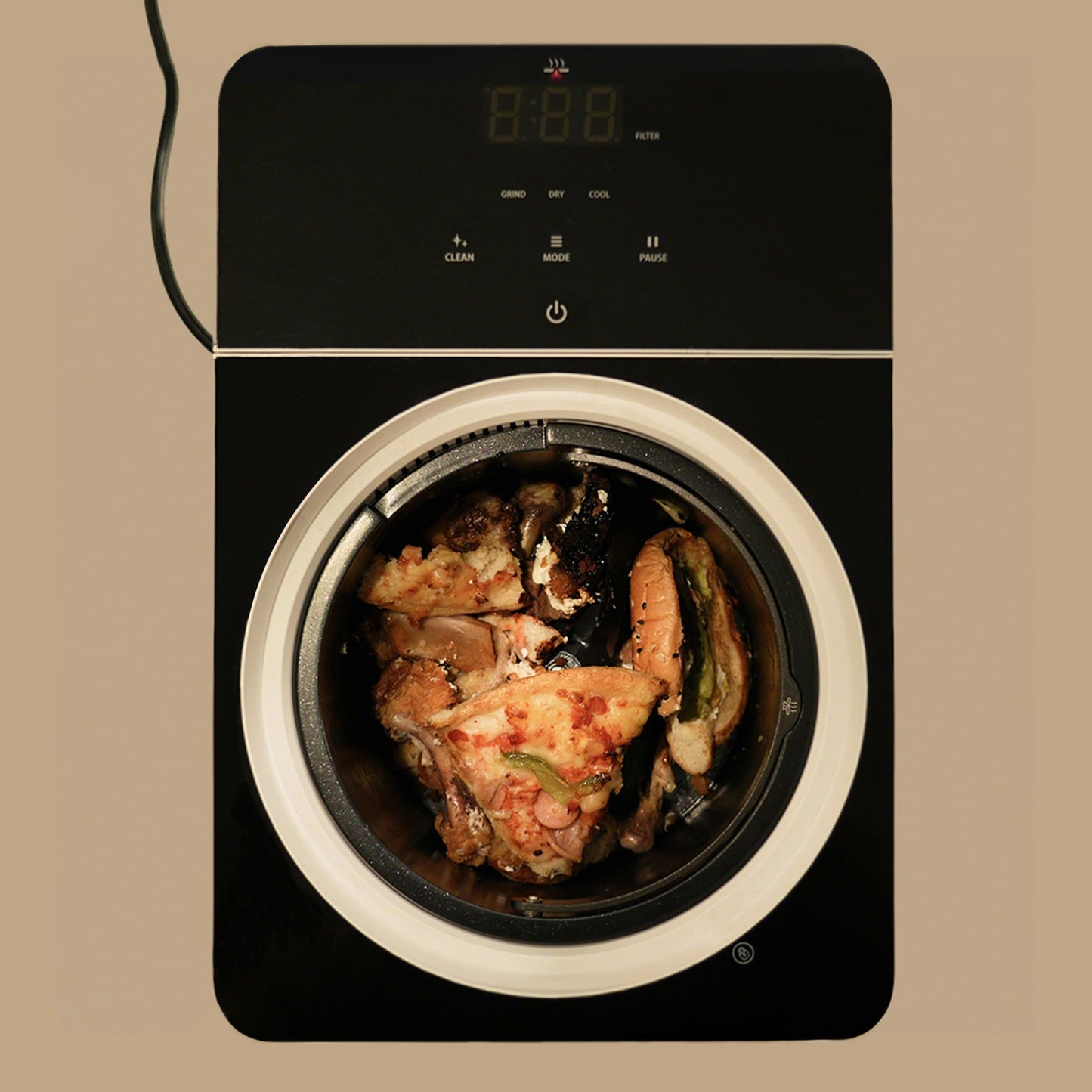
Storage means keeping food scraps until you can move them elsewhere, like a curbside bin or a friend's compost pile. State change means drying, grinding, or partially breaking down scraps at home. The Natridy Core Unit, for example, turns wet scraps into dry, ground food-scrap material. The output still needs a destination. If you plan to use an organics collection service, first confirm that it accepts dry, ground food scraps.
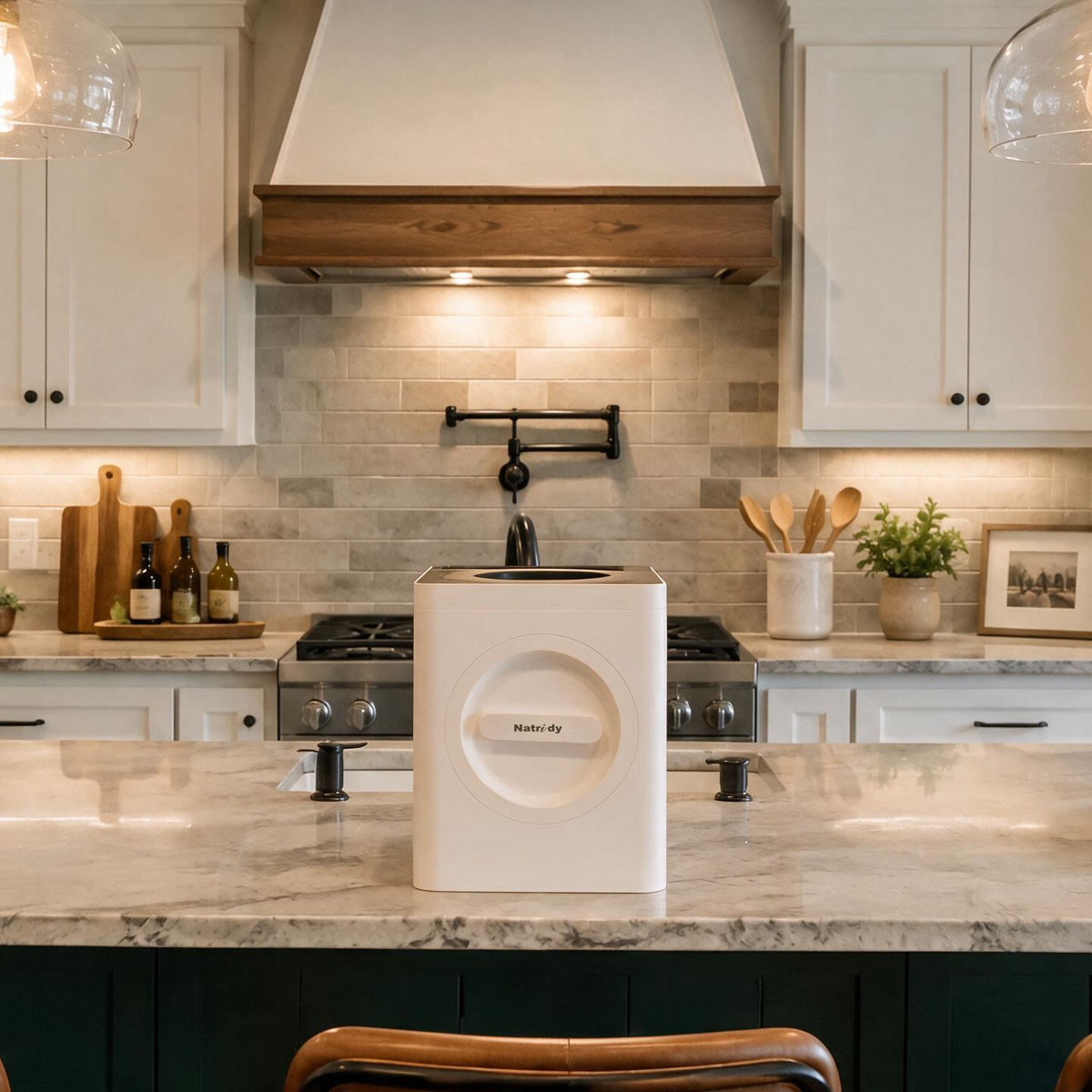
If your goal is storage, a simple lidded container may work. If you want state change, an electric unit can help. The Natridy Core Unit has a 100 oz (3 L) capacity and uses approximately 1 kWh per 4-hour cycle. It operates at 39 dB (measured), about the level of a quiet conversation. That makes it suitable for a kitchen counter.
For apartment dwellers, odor is often the first concern. See Apartment Food-Scrap Smell: Where It Starts to understand why scraps smell and how to manage it. Also, wet scraps are heavy because of water content. Learn more in Why Food Scraps Are Heavy: Water, Weight, and Kitchen Storage.
Natridy product specifications
- Model: CYF01-500CD5
- Bucket capacity: 100 oz (3 L)
- Working batch volume: 68 oz / 2 L
- Energy: ~1 kWh per 4-hour cycle
- Noise: 39 dB (measured)
- Output: dry, ground food-scrap material
FAQ
What is the first thing to consider for wet food scraps? Start with access. Do you have a yard, a balcony, or only indoor space? If you have no outdoor area, you need an indoor method like an electric unit or a sealed bin. Access shapes every later choice, so it comes first in the decision tree.
How does heat affect food scrap handling? Heat speeds up decomposition and can increase odor. In warm climates, scraps left outside break down faster but may attract more pests. In cold climates, outdoor piles freeze and slow down. Consider your local temperature range before choosing a method.
What does 'state change' mean for food scraps? Here, state change means drying and grinding wet scraps into dry, ground material. Natridy performs this process without microbes. The output is not finished compost: mix it into soil or a compost pile to finish, or put it in the trash. Drying and grinding reduce the scraps' volume, weight, and odor. A storage container holds scraps for later handling without performing that process. Decide which goal fits your routine.
How often should I empty a food scrap container? Collection timing depends on your household size and the container's capacity. A family of four can fill a countertop bin quickly. Empty it before odor becomes noticeable. If you cannot empty often, choose a method that controls smell, like an electric unit.