Just take it outside hides a housing assumption
Taking scraps outside requires access to a suitable bin or collection point. For apartment and condo families, taking scraps outside may not be simple. Check your building rules, storage space, and tolerance for smells before choosing a method.
Why “Just Take It Outside” Falls Short for Many Families
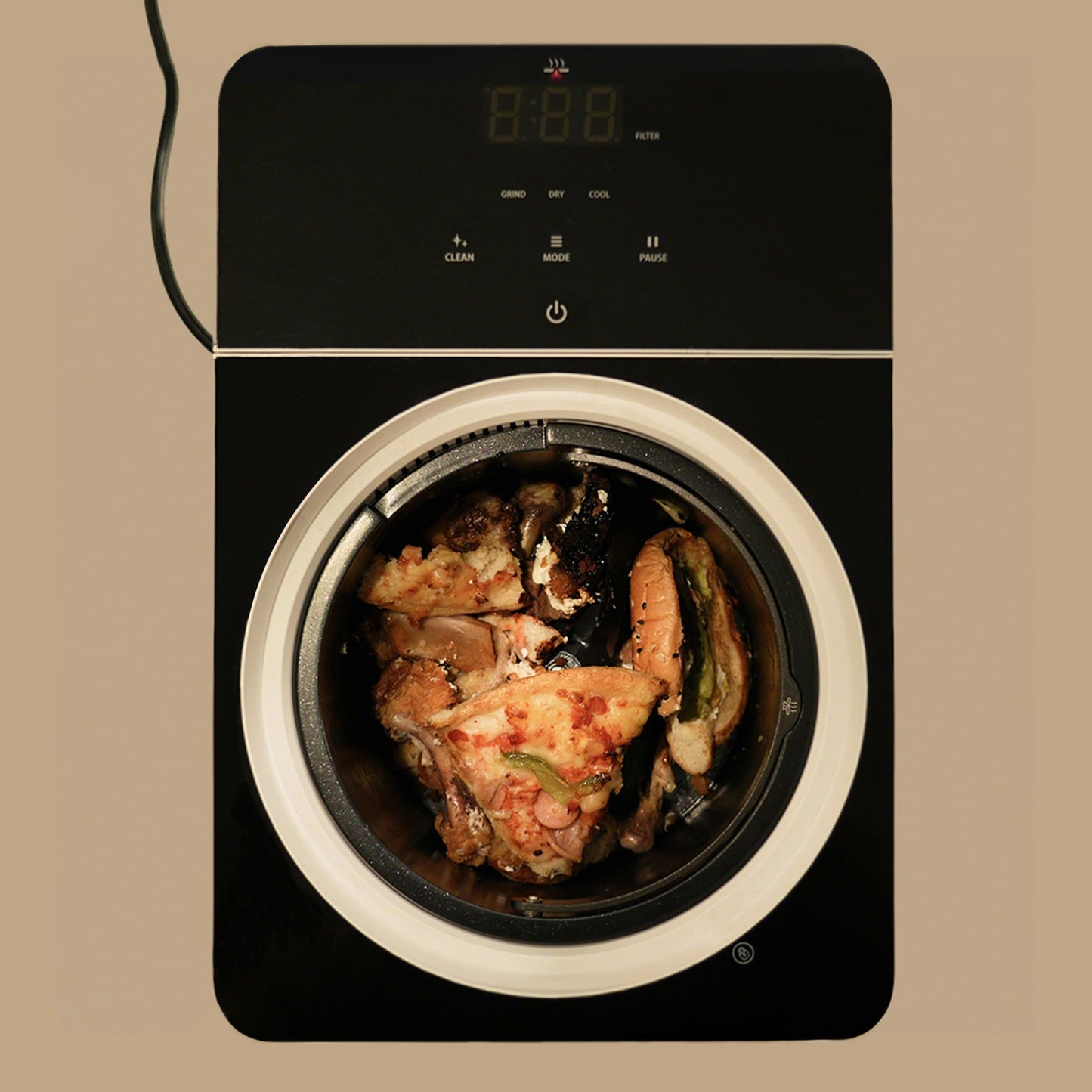
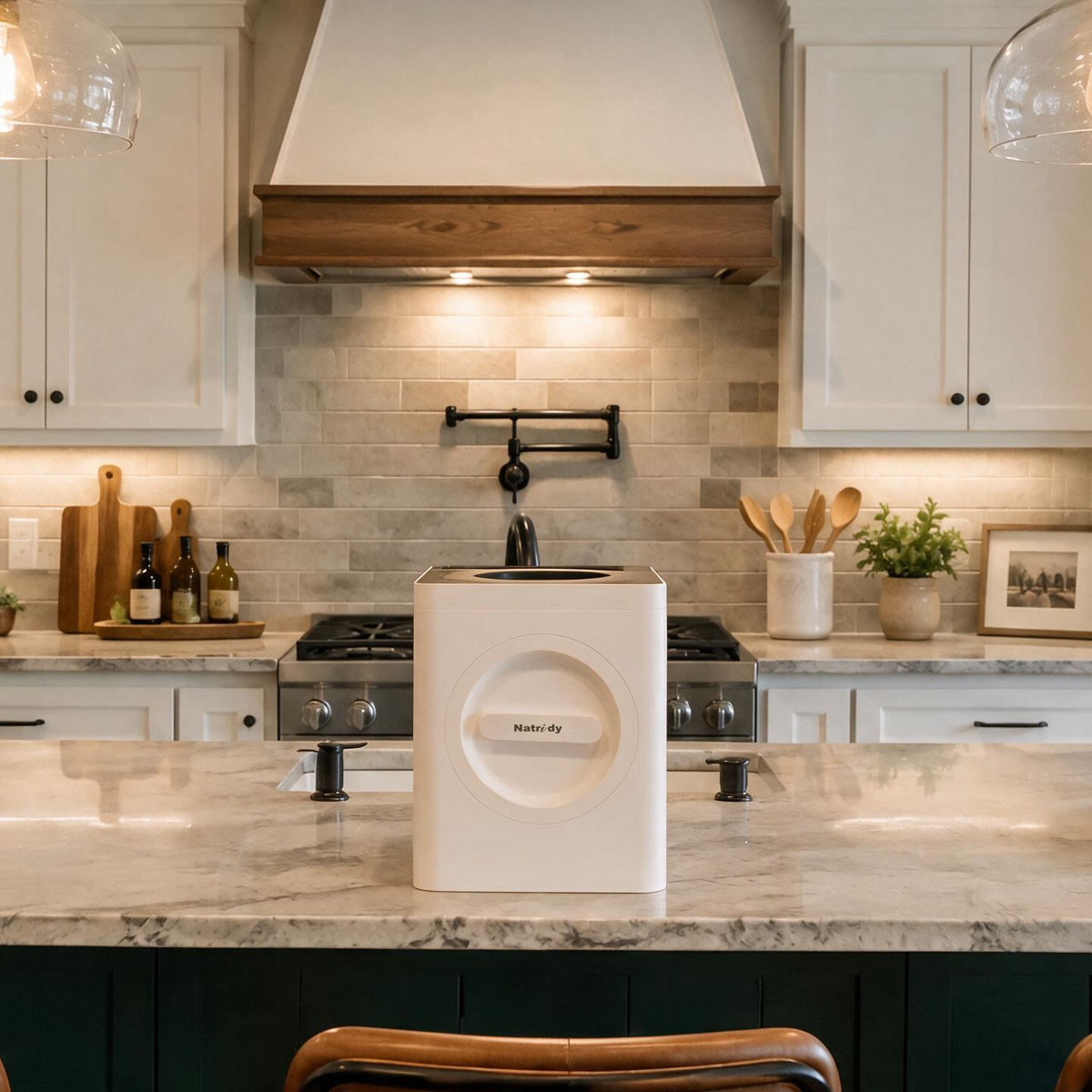
Outdoor food-scrap storage depends on building rules, available space, and protection from pests and weather. In apartments and condos, you may not have a private yard or balcony. Shared outdoor spaces often have rules about what can be stored there. Even if you can place a bin outside, it may not be secure from pests or weather. Before you choose a disposal method, think about your own access. Do you have a legal place to keep food scraps outdoors? Is it secure from animals and rain? Can you tolerate the smell near your door or window? These questions shape your options. For example, a countertop appliance like the Natridy Core Unit dries and grinds scraps indoors. Its output is not finished compost: mix it into soil or a compost pile to finish, or put it in the trash. But if you prefer a simple bin, you need a spot that meets all three conditions. This guide helps you map your household constraint first.
| Household Constraint | Questions to Ask | Why It Matters |
|---|---|---|
| Legal | Does your lease or HOA allow outdoor food-scrap storage? | Avoid fines or neighbor complaints. |
| Secure | Can you keep the bin closed and pest-proof? | Prevent animals and insects. |
| Tolerable | Will the smell bother you or neighbors? | Keep your home pleasant. |
Indoor Options When Outdoor Storage Is Not Workable
If you cannot store scraps outside, you can still manage them indoors. A sealed container under the sink works for short periods, but it may smell if not emptied often. An electric composter processes scraps into dry, ground material, reducing odor and volume. The Natridy Core Unit holds 100 oz (3 L) and runs a cycle using about 1 kWh per 4-hour cycle. It operates at 39 dB (measured), similar to a quiet conversation. The result is dry, ground food-scrap material that is easier to store. For more on what you can put in such a unit, see What Can Go in an Electric Composter?. If you have no yard, read Apartment Composting Without a Yard for other ideas. To understand why scraps smell, check Apartment Food-Scrap Smell: Where It Starts.
Natridy product specifications
- Model: CYF01-500CD5
- Bucket capacity: 100 oz (3 L)
- Working batch volume: 68 oz / 2 L
- Energy: ~1 kWh per 4-hour cycle
- Noise: 39 dB (measured)
- Output: dry, ground food-scrap material
FAQ
Can I keep a food-scrap bin on my apartment balcony? Check your lease and building rules first. Some apartments allow small bins, but others prohibit them due to pests or smell. If allowed, use a bin with a tight lid and empty it often. If not, consider an indoor electric composter that processes scraps without outdoor storage.
How do I know if my outdoor storage is secure enough? Look for signs of pests like rodents or insects. A secure bin has a locking lid and no gaps. If you see chew marks or droppings, your storage is not secure. In that case, an indoor appliance may be a better choice.
What if my family cannot tolerate the smell of stored scraps? Smell tolerance varies. If odors bother you, avoid open bins. Use a container with a carbon filter or an electric composter that dries and grinds scraps. The Natridy Core Unit produces dry, ground material with less odor. Empty any bin often to keep smells down.
Is an electric composter worth it for a small apartment? It depends on your routine. If you cook often and have no outdoor space, an electric composter can reduce trips to a disposal bin. The Natridy Core Unit holds 100 oz (3 L) and uses about 1 kWh per 4-hour cycle. It runs quietly at 39 dB (measured). Consider your budget and counter space.