Choose the routine before the Lomi alternative
Compare the household operating route—loading, waiting, emptying, filters, and destination—before comparing brand labels. This lens helps you see how a machine fits your daily kitchen flow, not just its name or price. Focus on the steps you will repeat every day.
Why the Operating Route Matters More Than the Brand
Compare the household operating route—loading, waiting, emptying, filters, and destination—before comparing brand labels. A lower price or different logo does not by itself explain how ownership changes. Think about the steps you will repeat every day. Loading means how you add food scraps. Waiting means the processing cycle for a batch machine, or the ongoing processing and retention routine for a continuous bin. Emptying is how you remove the result. Filters need cleaning or replacing. Destination is where the output goes. These steps shape your routine more than the brand name. For example, a machine with a longer cycle and a larger capacity may fit a family that cooks often. A smaller unit may suit a smaller household. The operating route is the real decision process. Learn what materials you can process in What Can Go in an Electric Composter?.
Comparing Routines: A Simple Table
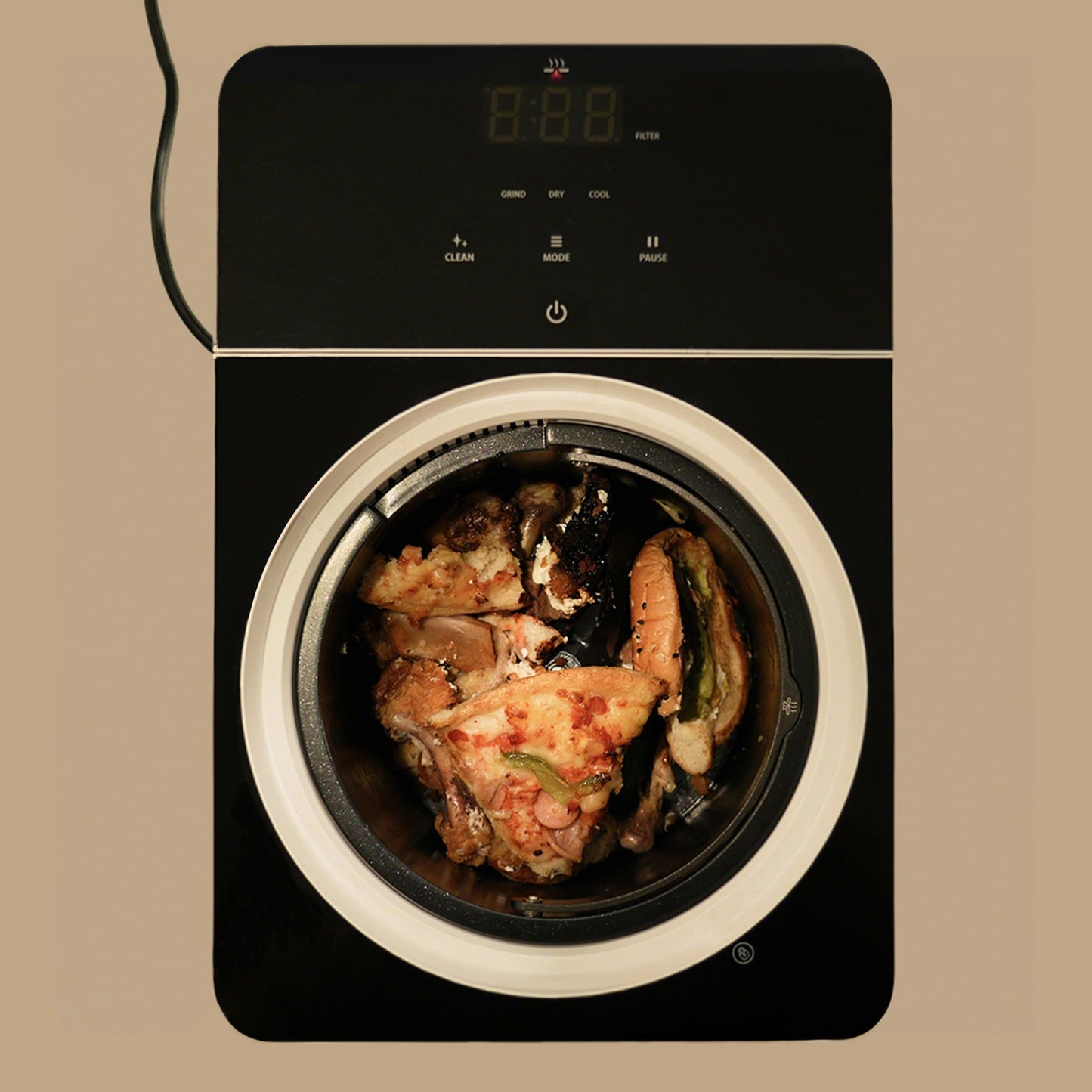
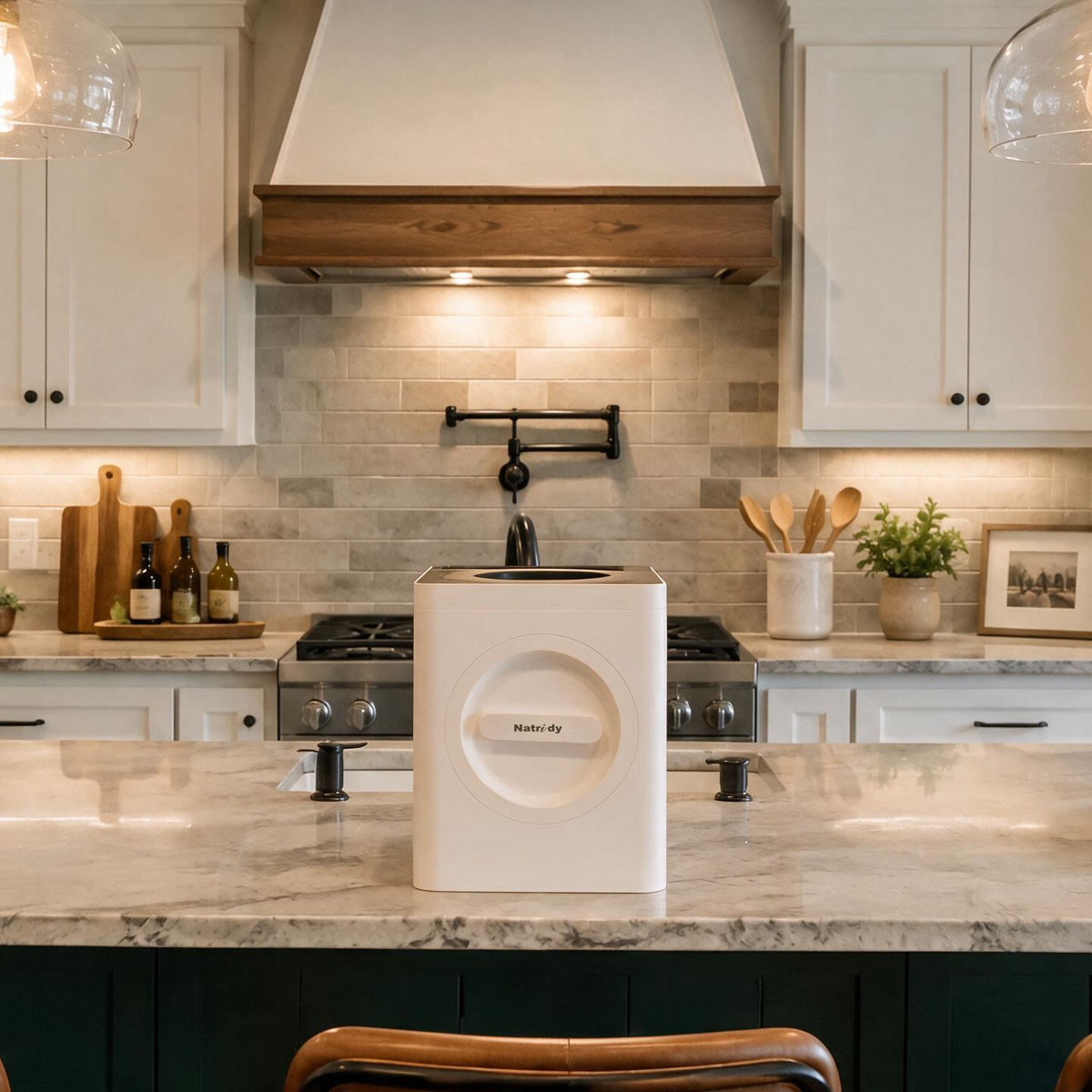
Use a table to compare the operating steps side by side. This helps you see differences quickly. The table below shows specifications for the Natridy Core Unit. Compare how each machine handles scraps over time. Lomi, FoodCycler, and Natridy are batch dryer-grinders. Mill is a continuous dry-grounds bin. Reencle is a continuous microbial starter-bed bin. These mechanisms create different loading, emptying, and material-care routines. Natridy's energy reference is approximately 1 kWh per 4-hour cycle, and its measured noise level is 39 dB. Natridy produces dry, ground food-scrap material. These details matter for your daily routine. See the Natridy Core Unit for full specifications.
| Factor | Example Value |
|---|---|
| Capacity | 100 oz (3 L) |
| Cycle time | about four hours (reference cycle) |
| Energy use | ~1 kWh per 4-hour cycle |
| Noise | 39 dB (measured) |
| Output | dry, ground food-scrap material |
When comparing alternatives, check each machine's loading style, filter needs, and output destination. A lower price may not mean a better routine. For a detailed comparison of a popular alternative, read Natridy and Lomi: Compare the Ownership Routine. For a comparison of published specifications for Natridy, Lomi 3, FoodCycler Eco 3, and FoodCycler Eco 5, see Lomi vs FoodCycler vs Natridy.
The category labels above are grounded in each maker's operating guidance: Lomi describes repeated batch cycles before emptying, FoodCycler describes a multi-phase drying and pulverizing cycle, Mill describes dry grounds retained to a fill line, and Reencle describes a microbial bed retained above a minimum line. These sources were accessed September 15, 2026. They document the manufacturers' instructions and claims; they do not independently validate performance.
Loading, Waiting, Emptying, Filters, and Destination
Break down each step of the operating route. Loading: how much can you add at once? Compare when scraps can be added, what remains inside between uses, how material is removed, and what filter maintenance involves. Natridy, Lomi, and FoodCycler dry and grind batches; Mill retains dry grounds; Reencle maintains a microbial starter bed. For Natridy, the output is dry, ground food scraps, not finished compost. Mix it into soil or a compost pile to finish, or put it in the trash. See Mill vs Reencle: Different Retained-Material Routines. Waiting: how long until the cycle ends? For Natridy, the published energy reference is approximately 1 kWh per 4-hour cycle. Emptying: is the output easy to remove? The result is dry, ground food-scrap material. Filters: do they need frequent cleaning? Check the manufacturer's guidance. Destination: where does the output go? You might add it to soil or dispose of it. These steps define your daily experience. For another perspective on retained-material routines, see Mill vs Reencle: One Retained-Material Category, Two Different Routines.
FAQ
What is the household operating route for a food-waste appliance? The operating route includes loading food scraps, waiting for the cycle, emptying the result, maintaining filters, and deciding the output's destination. Compare these steps before brand labels. This approach shows how the machine fits your daily kitchen routine and family needs.
How long does a typical electric composter cycle take? Cycle times vary by model. There is no single cycle duration for the category. Batch dryer-grinders process a load through a cycle, while continuous bins retain material between additions. Compare the cycle duration for the specific batch model and distinguish it from how long material stays inside a continuous bin. Check the manufacturer's specifications for exact times.
What kind of output does an electric composter produce? Dryer-grinder output is dry, ground food scraps, not finished compost. Its permitted destination depends on the model instructions, the receiving compost or organics program, and local disposal rules.
How noisy are electric composters during operation? Noise varies by model and operating stage. Compare manufacturer noise information alongside the machine's location and the times you expect it to run. A decibel figure alone does not establish how noticeable a machine will be in your home.