Lomi Alternative Under $300: Natridy vs Lomi 3
If the appliance-only budget is under $300, compare the current Natridy checkout price with Lomi 3's current price in the same country and currency. Price is one decision input; controls, modes, working capacity, maintenance, and the destination for dry output also matter. A lower price does not establish better performance, and a higher price does not establish worse value.
The short answer: what changes when the budget is $300?
A strict $300 appliance budget makes the current checkout price the first screening question. Natridy costs about $270; confirm the exact checkout total before buying. Check Lomi 3's current product page in the same market and currency immediately before comparing totals; promotions and membership routes can change.
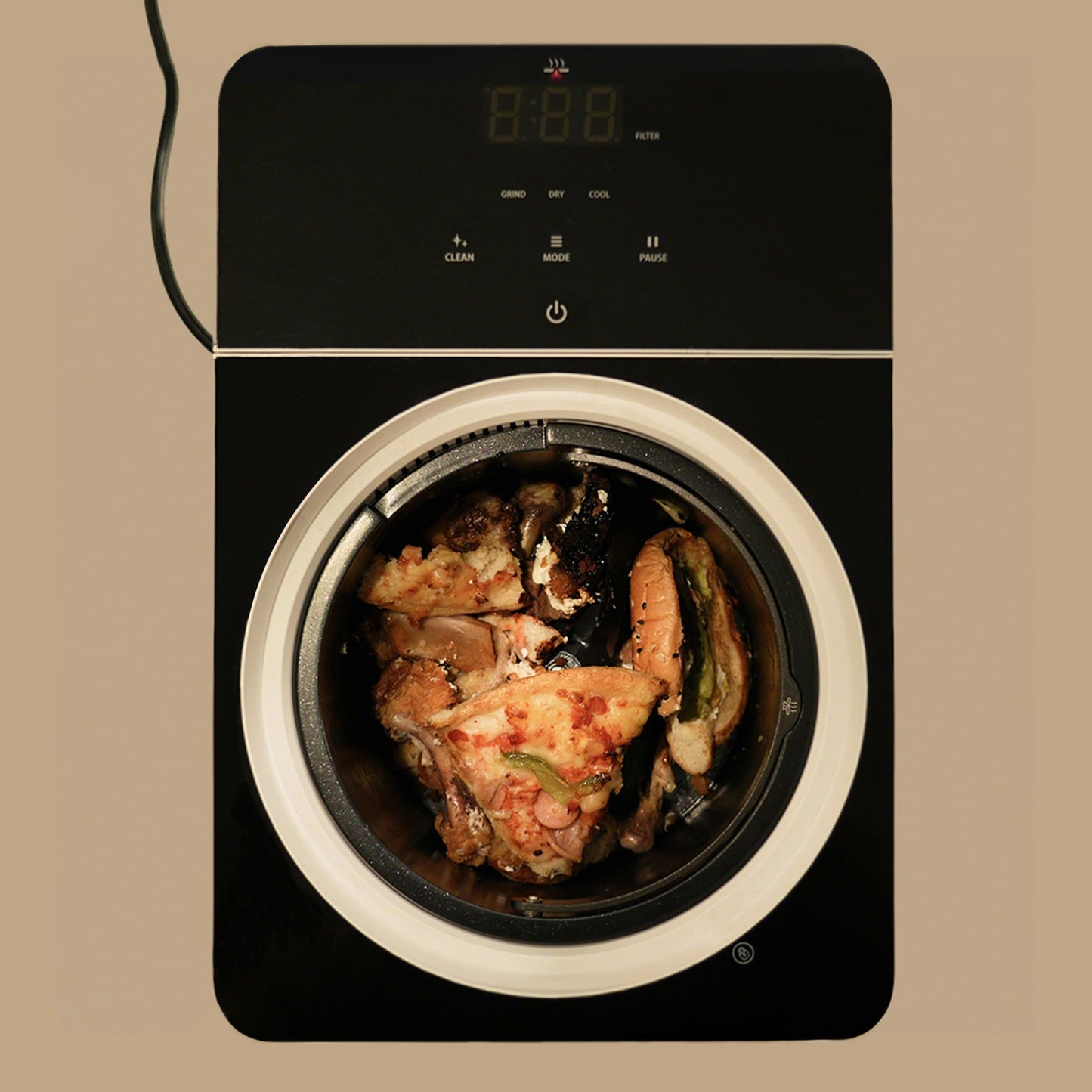
That makes the products different budget decisions. Lomi publishes connected features, multiple operating modes, and optional membership terms. Natridy focuses on a finish-and-empty batch with on-machine controls and dry, ground food-scrap material as the result.
If the current same-market checkout totals put only one product below the household's ceiling, the price screen answers the first question. The rest of this guide helps answer whether either routine fits.
Natridy vs Lomi 3 below the marketing layer
| Decision point | Natridy | Lomi 3 |
|---|---|---|
| Hardware price | About $270; confirm at checkout | Check the current same-market checkout price |
| Membership route | None required | Check current optional terms before purchase |
| Working capacity | 68 oz (2 L) working batch in a 100 oz (3 L) drum | 3 L bucket |
| Noise | 39 dB (measured) | Under 45 dB, manufacturer-listed |
| Energy | ~1 kWh per 4-hour cycle | 1 kWh Express; 1.1 kWh Grow; 0.2 kWh Cleaning |
| Controls | On-machine controls | On-machine controls plus Wi-Fi and app integration |
| Output | Dry, ground food-scrap material | Lomi calls it "pre-compost" and "Lomi Earth" |
Lomi specifications above come from the official Lomi 3 product page and Lomi FAQ, retrieved September 3, 2026. Prices, promotions, memberships, and warranty terms can change, so refresh them in the same market immediately before buying.
What the extra Lomi spend actually buys
Lomi 3 publishes Wi-Fi and app features along with Express, Grow, and Cleaning modes. Check the current product and membership pages for any filter, service, or warranty terms rather than relying on a stale comparison.
Those features can be worth paying for if you want them. They do not change the category's basic physics. Lomi says the machine heats and grinds food waste while controlling moisture, temperature, and airflow. Natridy also uses heat and grinding, with a dual-channel air path through activated carbon.
The useful budget question is not "Which brand has more features?" It is "Which features will I still care about after the first month?" An app matters if remote control is part of your daily routine. Extra modes matter if you intend to use them. The result is not finished compost.
For a broader three-brand comparison, see Lomi vs FoodCycler vs Natridy.
What spending less does not mean
Paying less should not mean accepting a magical output claim. A countertop dryer-grinder solves a handling problem. Wet scraps take up space, leak, smell, and attract pests. Dry grounds are easier to store and carry to a municipal collection bin, outdoor pile, or another appropriate destination.
The cup is not the finished environmental outcome. If you throw the dry material in the trash, you have reduced weight, mess, and storage volume. If you want biological decomposition, a pile, bin, trench, or municipal facility still has to finish the process.
That distinction is why our central explainer is called Electric Composters Don't Make Compost. It applies to the Natridy machine too.
The three-question $300 test
1. What problem are you paying to solve?
Buy a dryer-grinder for a recurring kitchen problem: wet trash, frequent bag changes, limited freezer space, pests, or a long walk to an organics bin. If you already have an easy green-bin routine or a healthy outdoor pile, the appliance may add cost without solving a meaningful problem.
2. Where will the dry material go?
Choose the destination before choosing the machine. A municipal organics bin is simple. An outdoor pile can finish decomposition. Garden use requires restraint and additional processing. Fresh grounds should not be treated as a finished soil amendment or poured directly into an indoor plant pot.
3. Is the roughly $270 purchase price your whole budget?
The machine uses electricity and activated carbon is a consumable. Natridy publishes about 1 kWh per 4-hour reference cycle. Your operating cost therefore depends on your local electricity rate and how often you run it. Do that household math before buying any brand. The honest cost guide shows the comparison without pretending a countertop crock, city collection, and an appliance solve identical problems.
Who should choose Lomi 3
Consider Lomi 3 if you actively want its connected features, prefer its published footprint, or value its Express and Grow modes enough to pay the current same-market total. Lomi lists a 3 L bucket and noise under 45 dB. Refresh its current warranty and membership terms before purchase.
Those specifications are published by Lomi on its Lomi 3 product page and FAQ, retrieved September 3, 2026.
Who should choose Natridy
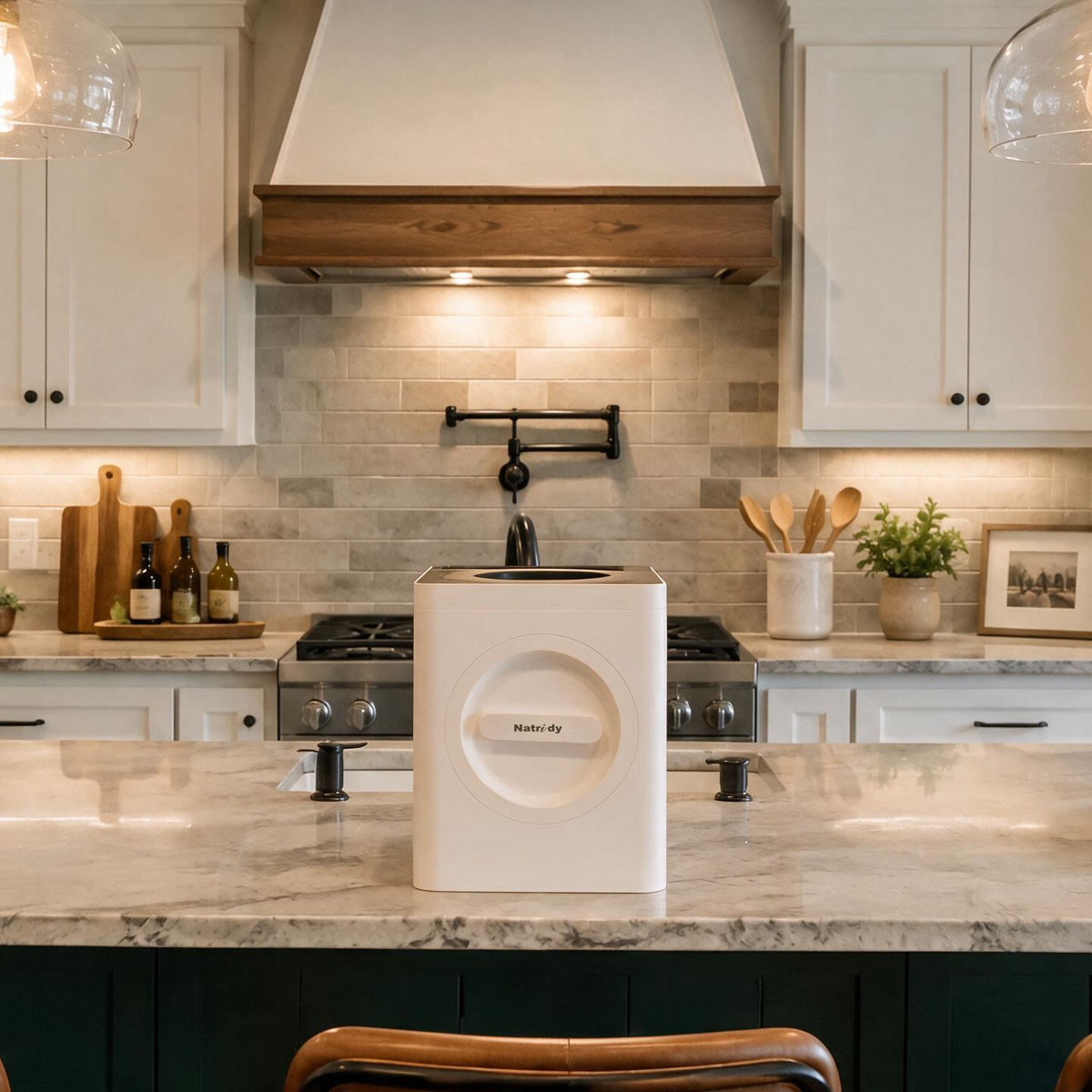
Consider Natridy if $300 is a real ceiling, you prefer on-machine controls, and a finish-and-empty batch fits the household. It handles a 68 oz (2 L) working batch inside a 100 oz (3 L) drum, operates at 39 dB (measured), and uses ~1 kWh per 4-hour cycle.
Its output is dry, ground food-scrap material. That is a useful result for the right kitchen. It is not compost, and the lower price does not require pretending otherwise.
Who should buy neither
Buy neither if you already have convenient municipal collection, enjoy maintaining an outdoor pile, or generate too few scraps to justify another countertop appliance. Also buy neither if your real goal is instant, houseplant-ready material. No short countertop drying cycle replaces the biology and curing time involved in that process.
The cheapest honest alternative to Lomi can still be a covered crock, a freezer container, or a city-issued green bin. An appliance earns its space only when it solves a recurring problem in your particular kitchen.
FAQ
What Lomi alternative is currently under $300? Natridy costs about $270; confirm the exact checkout total before buying. It has a 68 oz (2 L) working batch, 39 dB measured noise, and about 1 kWh energy use per 4-hour reference cycle. Check both brands' same-market checkout totals immediately before buying.
Why is Lomi 3 more expensive? Lomi 3 publishes connected features, multiple modes, and optional membership terms. Whether its current price difference is worthwhile depends on which features and routine the household will use. Refresh every price and term in the same country and currency before deciding.
Does the cheaper machine make the same kind of output? Both machines heat and grind food scraps. Natridy calls its result dry, ground food-scrap material. Lomi calls its result "pre-compost" and "Lomi Earth." A short countertop process does not produce finished compost; longer biological decomposition is still required.
Is an electric composter cheaper than municipal collection? There is no universal answer. A local organics service may be included in taxes or charge separate fees, while an appliance has a purchase price, electricity use, and carbon consumables. Compare the actual local fees and complete household routines.